When Should You See a Urologist?
Hematuria Assessment at Pantai Hospital Penang | Dr. William Ong Lay Keat, Consultant Urologist
Noticing blood in your urine can be worrying.
You may see pink, red or brown urine, or the blood may only be detected during a urine test. Whatever the presentation, blood in the urine — medically known as hematuria — deserves proper medical assessment.
At Pantai Hospital Penang, Dr. William Ong Lay Keat provides specialist urological assessment to help identify the cause of hematuria and guide patients towards appropriate treatment.
What is hematuria?
Hematuria refers to the presence of red blood cells in the urine. It is generally classified into two types:
Visible haematuria: Blood can be seen with the naked eye, causing urine to appear pink, red or tea-coloured. Blood clots may also be present.
Microscopic haematuria: Blood is detected through urine testing, even though the urine looks normal.
**An important point: Blood in the urine should not be dismissed simply because it occurs only once, disappears spontaneously or is not associated with pain.


What causes blood in the urine?
Hematuria can arise from anywhere in the urinary tract, including the kidneys, ureters, bladder, prostate and urethra.
Common causes include:
1. Urinary tract infection (UTI)
A bladder or kidney infection may cause blood in the urine, particularly when accompanied by painful urination, frequent urination, fever or lower abdominal discomfort.
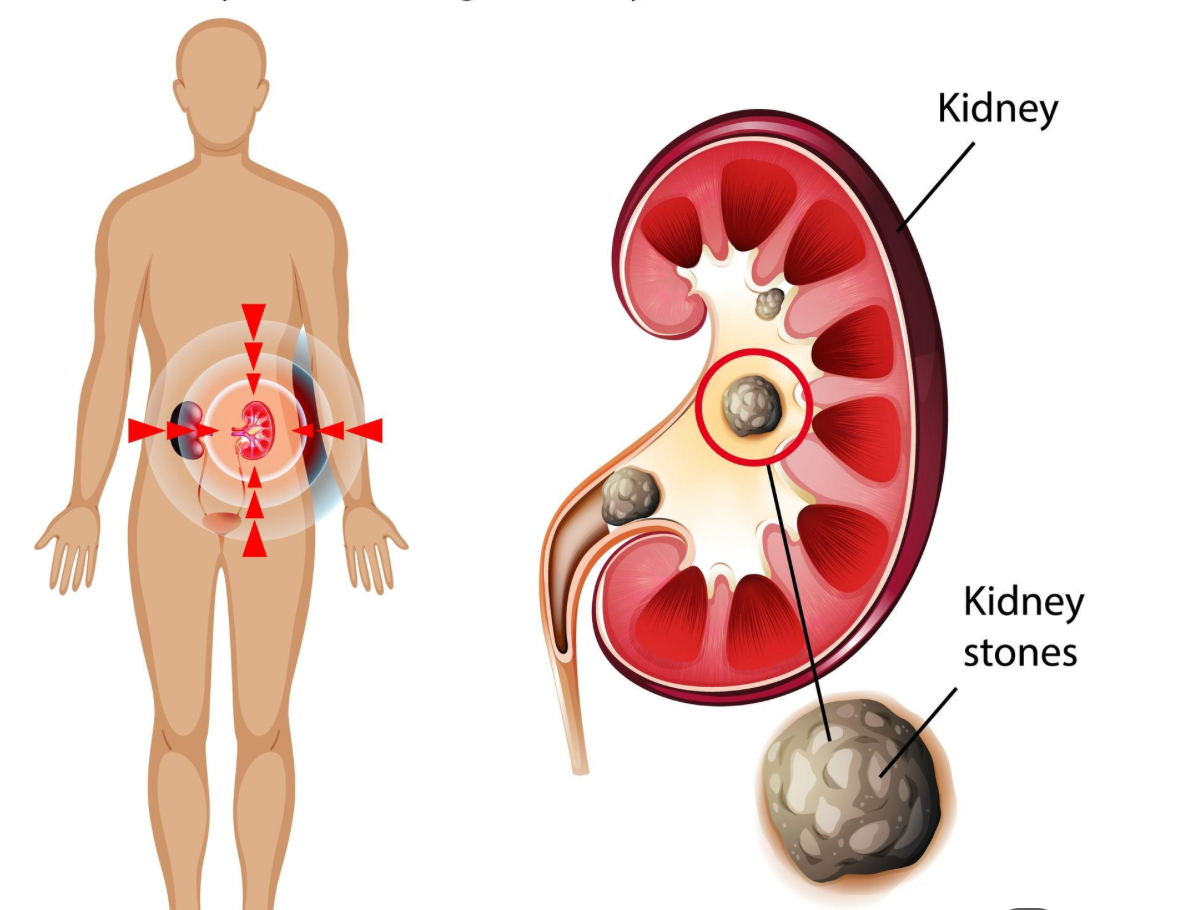
2. Kidney or ureteric stones
Urinary stones can irritate the lining of the urinary tract, resulting in bleeding. Patients may also experience severe flank pain, nausea or vomiting, although some stones cause little discomfort.
3. Enlarged prostate (benign prostatic hyperplasia, BPH)
In men, an enlarged prostate may cause urinary symptoms such as a weak stream, difficulty in initiating pee, frequent urination and, occasionally, hematuria.
4. Bladder cancer
Blood in the urine, particularly painless visible hematuria, is an important warning sign of bladder cancer. The bleeding may be intermittent, and patients may otherwise feel completely well.
5. Kidney or upper urinary tract cancer
Tumours involving the kidney or the lining of the ureter and renal pelvis can also cause haematuria, sometimes without pain or other symptoms.
6. Kidney disease and other causes
Inflammatory kidney conditions, certain medications, urinary tract injuries and strenuous exercise can sometimes cause blood in the urine. The appropriate assessment depends on the clinical circumstances.


How is hematuria investigated?
The purpose of a hematuria assessment is to locate the source of bleeding and, crucially, rule out serious conditions such as urinary tract cancer.
Investigations may include:
Urine tests: Urinalysis and urine microscopy confirm blood. A urine culture may be used if infection is suspected.
Blood tests: Kidney function and other relevant markers may be checked.
Ultrasound or CT imaging: These scans evaluate the kidneys, ureters and bladder for stones, masses, obstruction and other issues. A CT urogram may be advised for a more detailed view of the urinary tract.
Flexible cystoscopy: This procedure lets the urologist inspect the urethra and bladder with a slim, flexible camera passed through the urinary opening.
Not every patient needs every test. The evaluation is shaped by risk factors, symptoms, kidney function and clinical findings.


Frequently Asked Questions (FAQs)
About Blood in Urine (Hematuria)
1. Is blood in urine always a sign of cancer?
No. Blood in the urine can result from urine infections, stones, prostate enlargement etc. However, urinary tract cancers must be excluded where clinically indicated.
2. Can blood in urine occur without pain?
Yes. Painless hematuria is an important presentation of bladder and kidney cancers. Even a single episode of visible blood in the urine warrants urological assessment.
3. Should I see a urologist if blood in my urine disappears?
Yes. Bleeding can be intermittent. The disappearance of blood does not necessarily mean that the underlying condition has resolved.
4. What is a cystoscopy and is it necessary?
Cystoscopy is a procedure in which a slim camera is passed through the urethra to examine the bladder. It is an important investigation in the assessment, particularly when bladder cancer needs to be excluded.
5. Can kidney stones cause blood in urine?
Yes. Stones in the kidney and ureter can irritate the urinary lining and cause visible or microscopic bleeding. Some patients experience severe pain, while others have minimal symptoms.
Comprehensive Hematuria Assessment & Urology Service at Pantai Hospital Penang
Timely urology specialist assessment for blood in the urine (hematuria) is critical for avoiding delays. At Pantai Hospital Penang, our streamlined urological evaluation includes:•
Consultation with a urologist• Comprehensive urine and blood investigations• Urinary tract imaging• Flexible cystoscopy • Personalised management plan
If you have noticed blood in your urine, arrange a urological assessment at Pantai Hospital Penang.
This article is intended for general educational purposes and does not replace an individual medical consultation.

About the author
Dr William Ong Lay Keat
Consultant Urologist
Pantai Hospital Penang, Malaysia
MBBS (Manipal) | MRCS (Ireland) | FRCS (Glasgow, Urology)Fellowship in Uro-oncology, Adelaide, Australia.
Specialist interests in endourology, urinary stone disease, prostate conditions and minimally invasive urological surgery
Pantai Hospital Penang
G22, Ground Floor, 82, Jalan Tengah, Bayan Baru, 11900 Bayan Lepas, Penang, Malaysia
+604-6396350 / +604-6433888 Ext. 350
Related articles: